Pingtan · An island off the East China Sea

Discover Pingtan

Seascapes, blue tears, stone houses, windmill fields — discover every side of Pingtan.

Longwangtou Beach

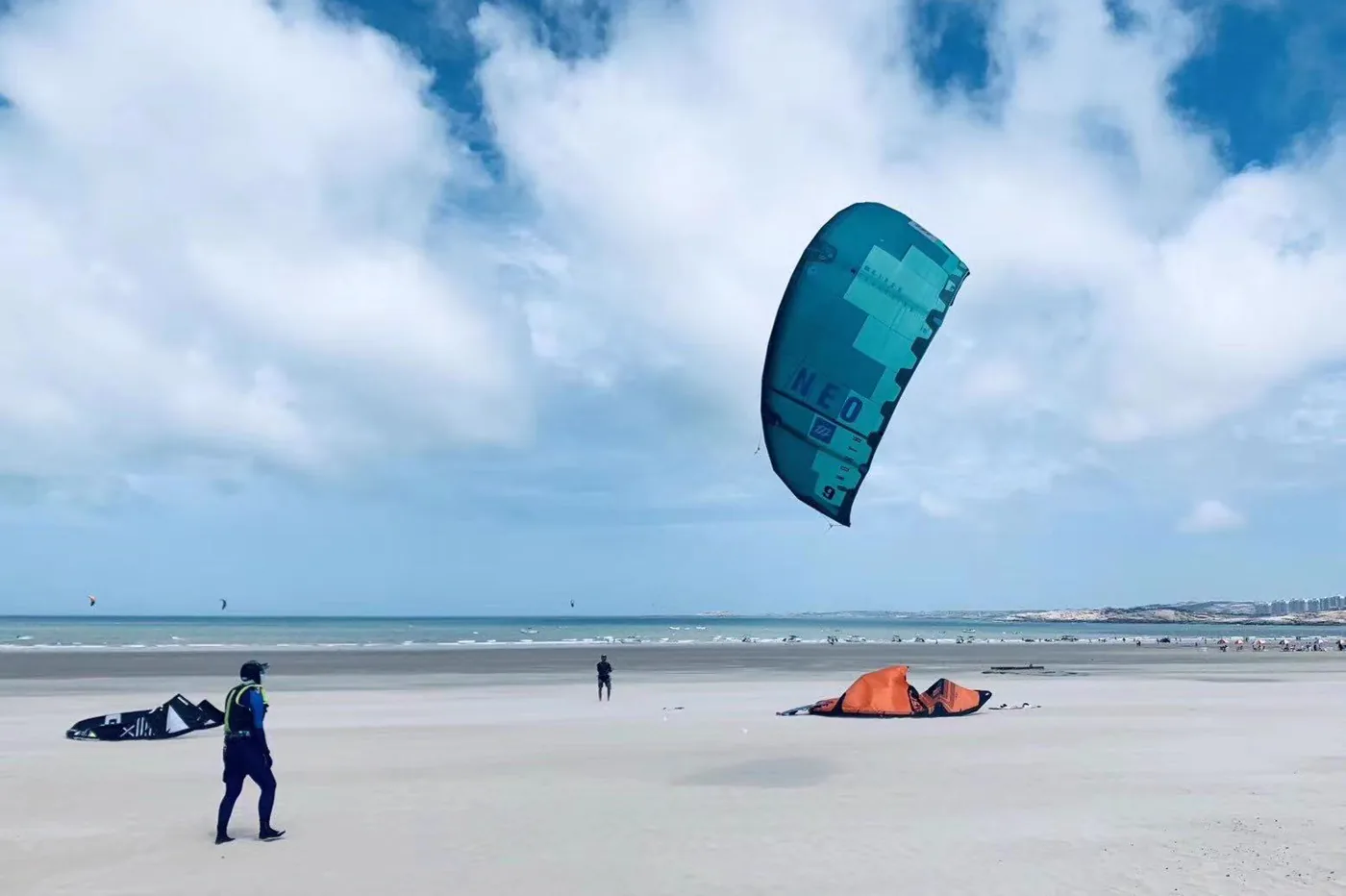
Longwangtou — also written Longfengtou — sits on the east side of town, a fifteen-minute walk from the centre. Two kilometres of fine, gently sloping sand with the road and the apartment blocks right behind it, which makes it the most everyday beach on the island: people run here at dusk, fly kites, dig for shellfish, and in summer kitesurf. Walk toward the unlit end at night and the blue tears can show up too.

Explore Longwangtou Beach
Donghai Fairyland (Xianren Well)

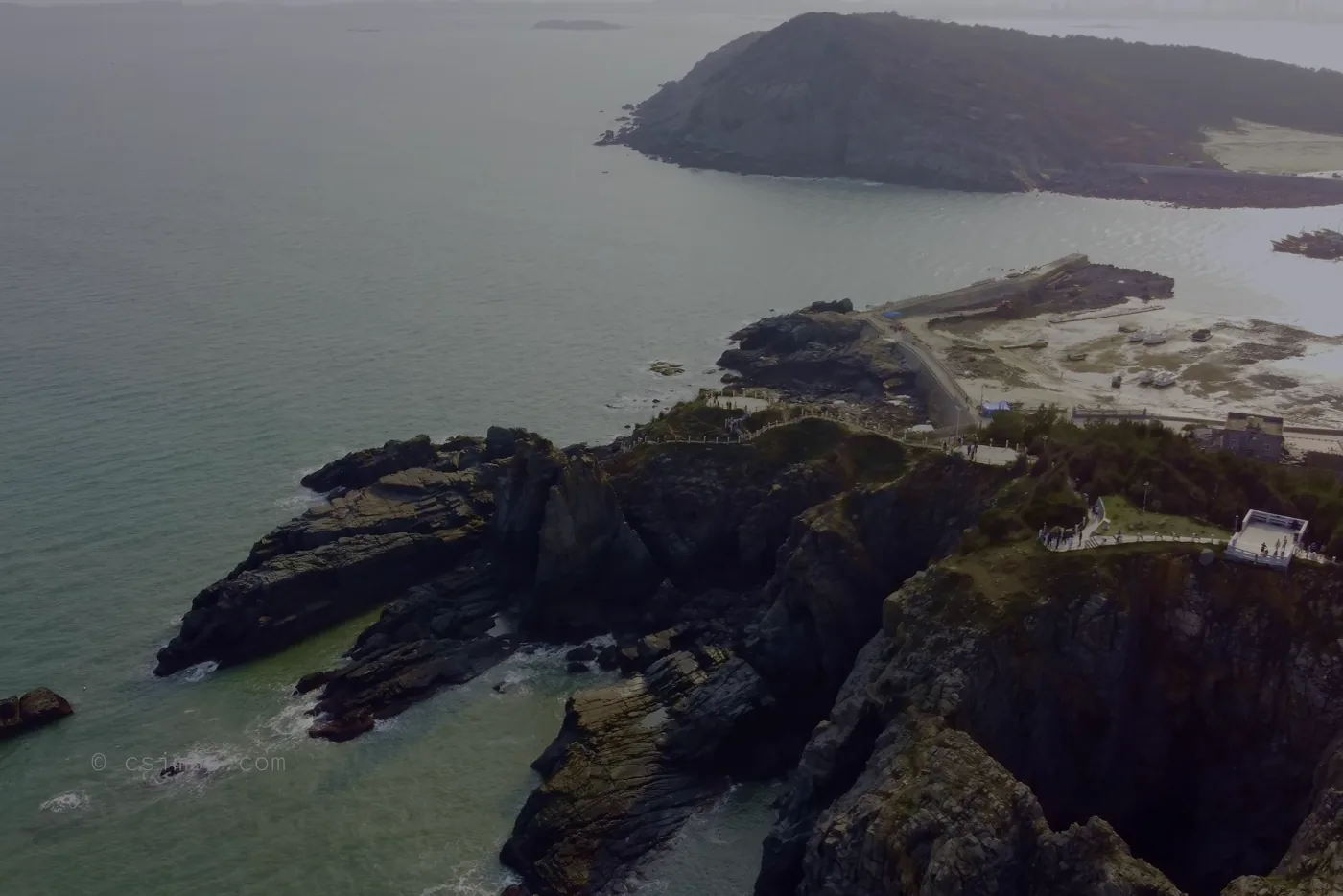
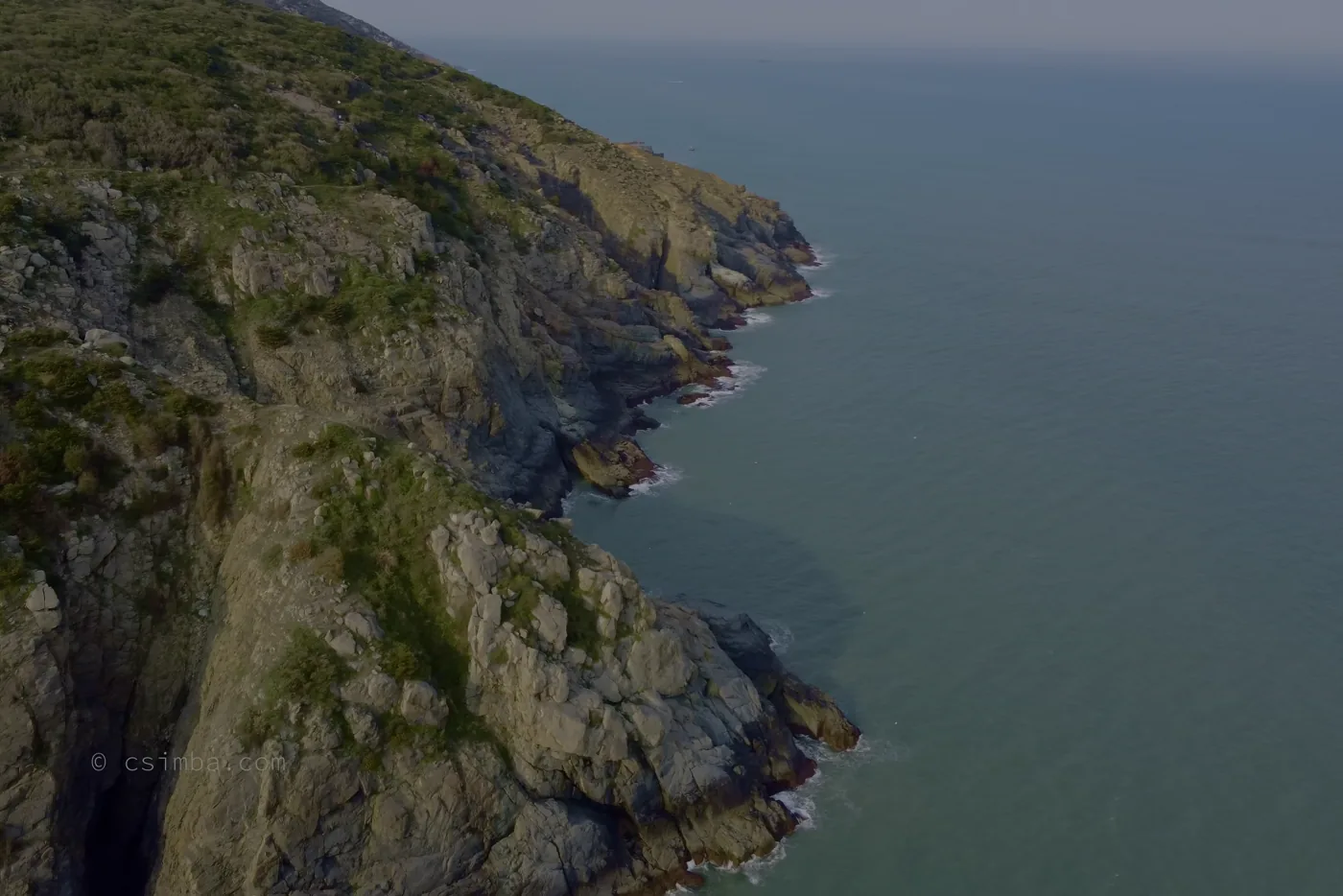
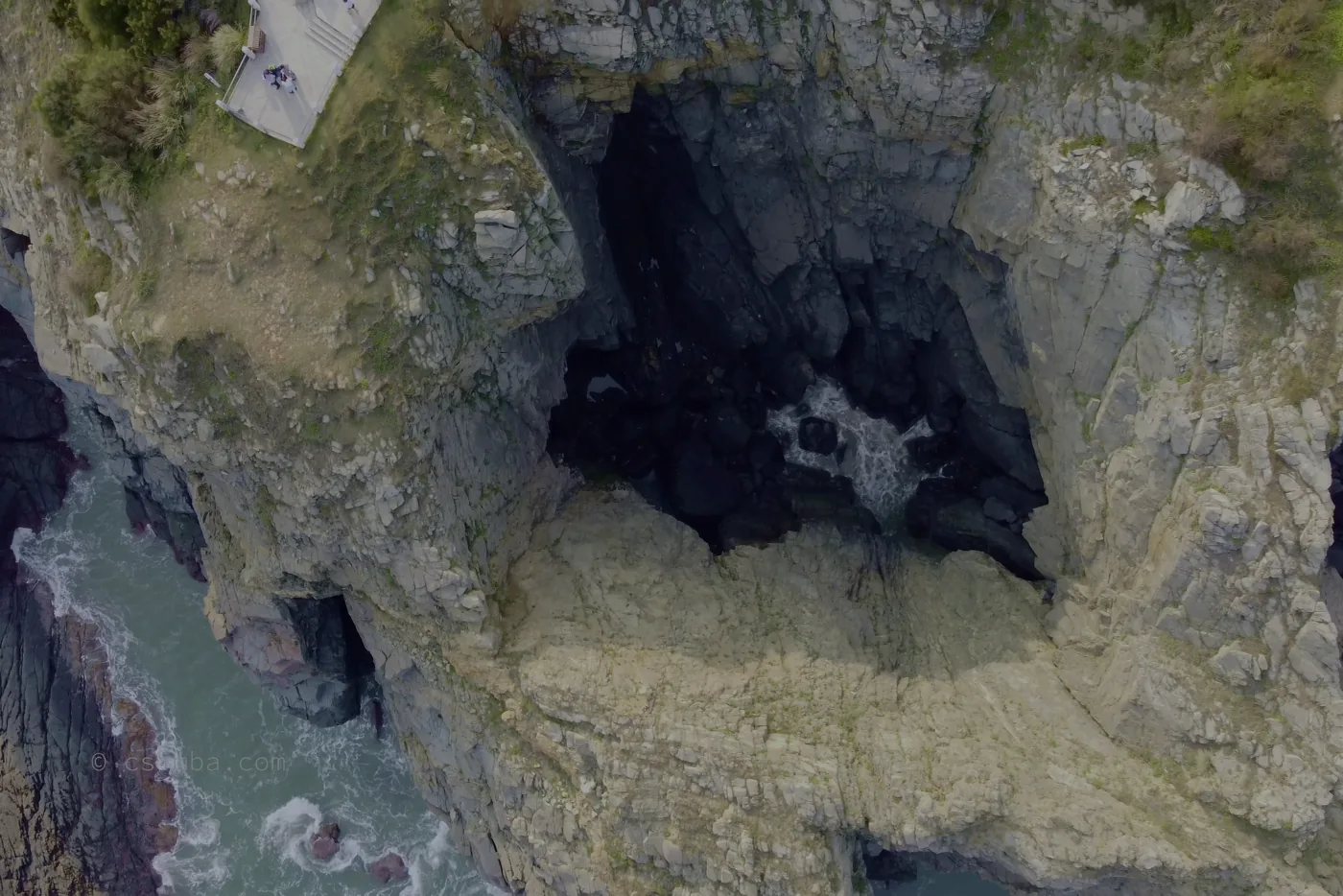
Xianren Well sits at Dongmei village in Liushui, a shaft hollowed out of the cliff base by the sea. The mouth is at the top of the cliff, tens of metres across, and you cannot see the bottom; at high tide the swell drives in through a gap below and the sound breaks against the walls. The site is small — the well, a stretch of cliff path and a few rock platforms, an hour in all.

Explore Donghai Fairyland (Xianren Well)

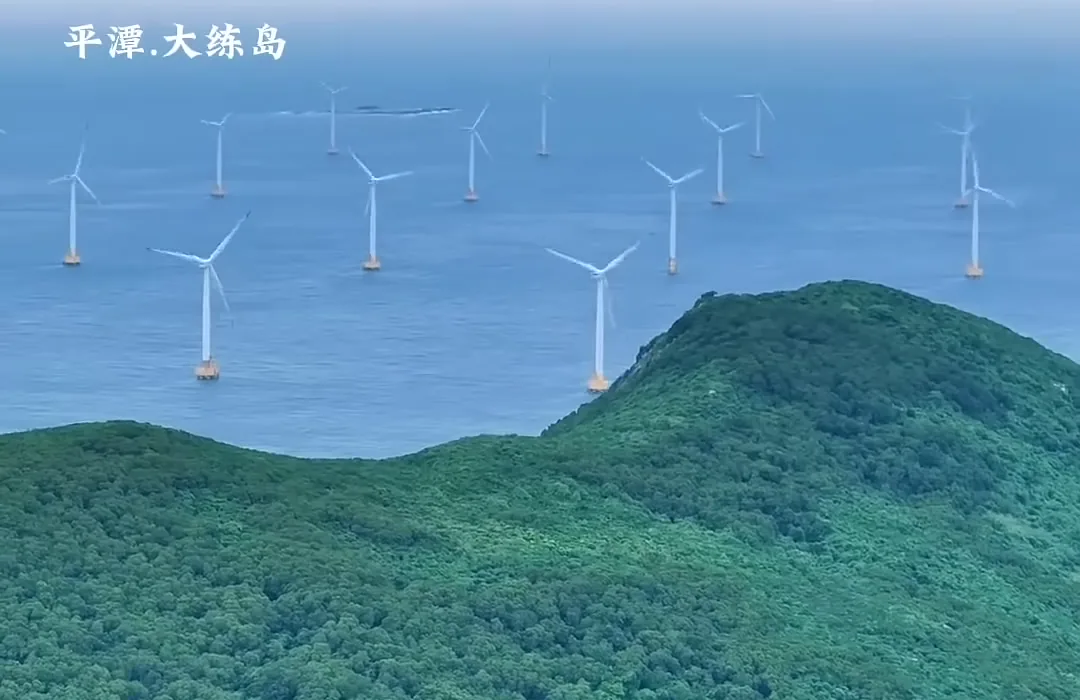
Changjiang'ao Wind Farm

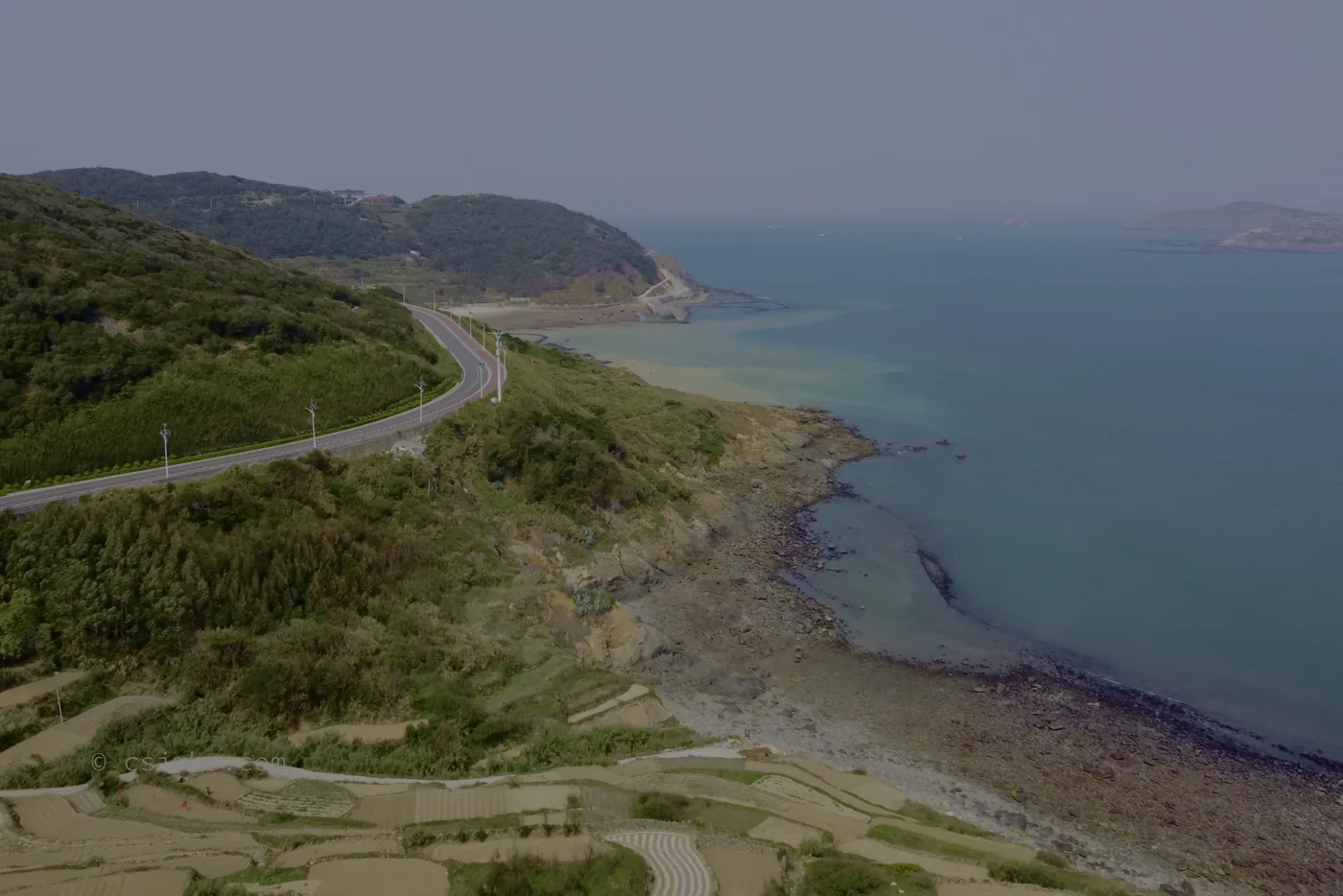
Changjiang'ao sits on the north coast, where a long row of turbines runs from the beach to the horizon. The sand is wide and gently sloping, and at low tide you can walk out a long way. Wind is the norm here — it is why the turbines are here at all — and at sunset the blades turn against an orange sky in what has become Pingtan's most photographed frame.

Explore Changjiang'ao Wind Farm

68 Nautical Miles Scenic Area

The 68 Nautical Miles scenic area occupies the cape at Dong'ao village, where a stone marker records the straight-line distance to Hsinchu, Taiwan — 68 nautical miles, about 126 kilometres. It is small: a boardwalk along the rocks and two viewing decks, with wind strong enough to push you off balance. On clear days you can pick out cargo ships in the shipping lane. You cannot see Taiwan, but you know it is over there.

Explore 68 Nautical Miles Scenic Area

Jingsha Mirror Sands

Jingsha is a stretch of dark rock on the south coast. When the tide goes out it leaves a film of water in every hollow, and the sky lands in it — the whole flat looks like a smashed mirror, which is where the name comes from. At high tide there is nothing to see but water, so check the tide table before you go.

Explore Jingsha Mirror Sands

Beigang Village

Beigang holds the densest cluster of Pingtan's stone houses: pale granite walls, low tiled roofs, lanes just wide enough for a scooter. The shore in front of the village is a continuous wave-cut platform that surfaces at low tide, all grooves and rock pools. The village itself takes twenty minutes to walk, but every guesthouse terrace faces the water, which makes sitting still easy.

Explore Beigang Village

Tannan Bay

Tannan Bay is Pingtan's longest stretch of sand, fine-grained and gently sloping, waist-deep two hundred metres out. By day it is for swimming, dozing and watching the boats; after dark the bay has almost no light pollution, and April to June is when the blue tears concentrate. Less a sight than the island's summer living room.

Explore Tannan Bay

Haitan Ancient City

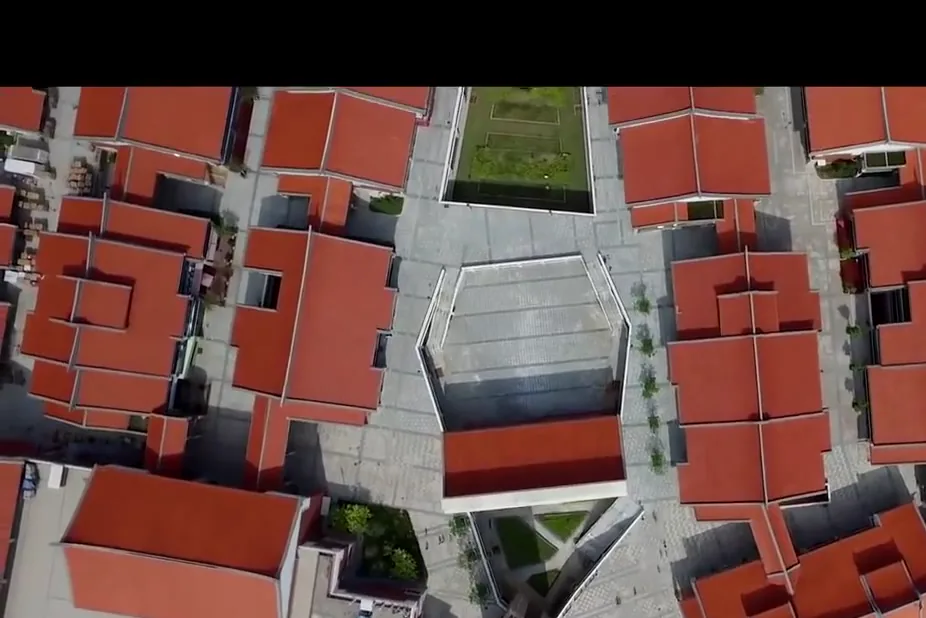
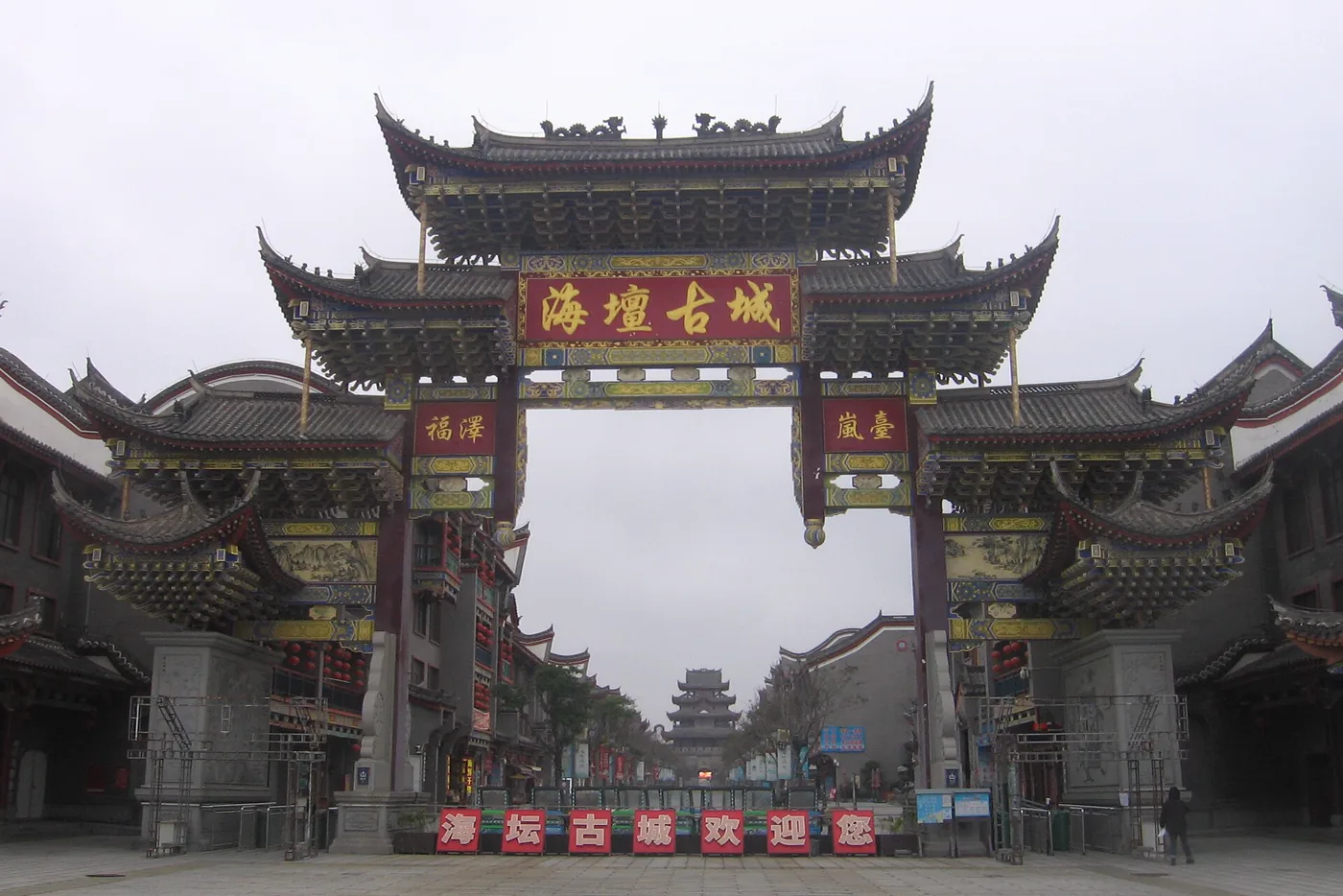
Haitan Ancient City is a modern reconstruction, not a ruin. Grey brick, memorial arches and stepped gables are copied from older Min-Yue building practice, and the streets are clean and the shops uniform. It is a poor place to look for antiquity and a good one to escape the sun with children, find a meal on a rainy day, or walk somewhere lit after dark.

Explore Haitan Ancient City

Maotouqian Village

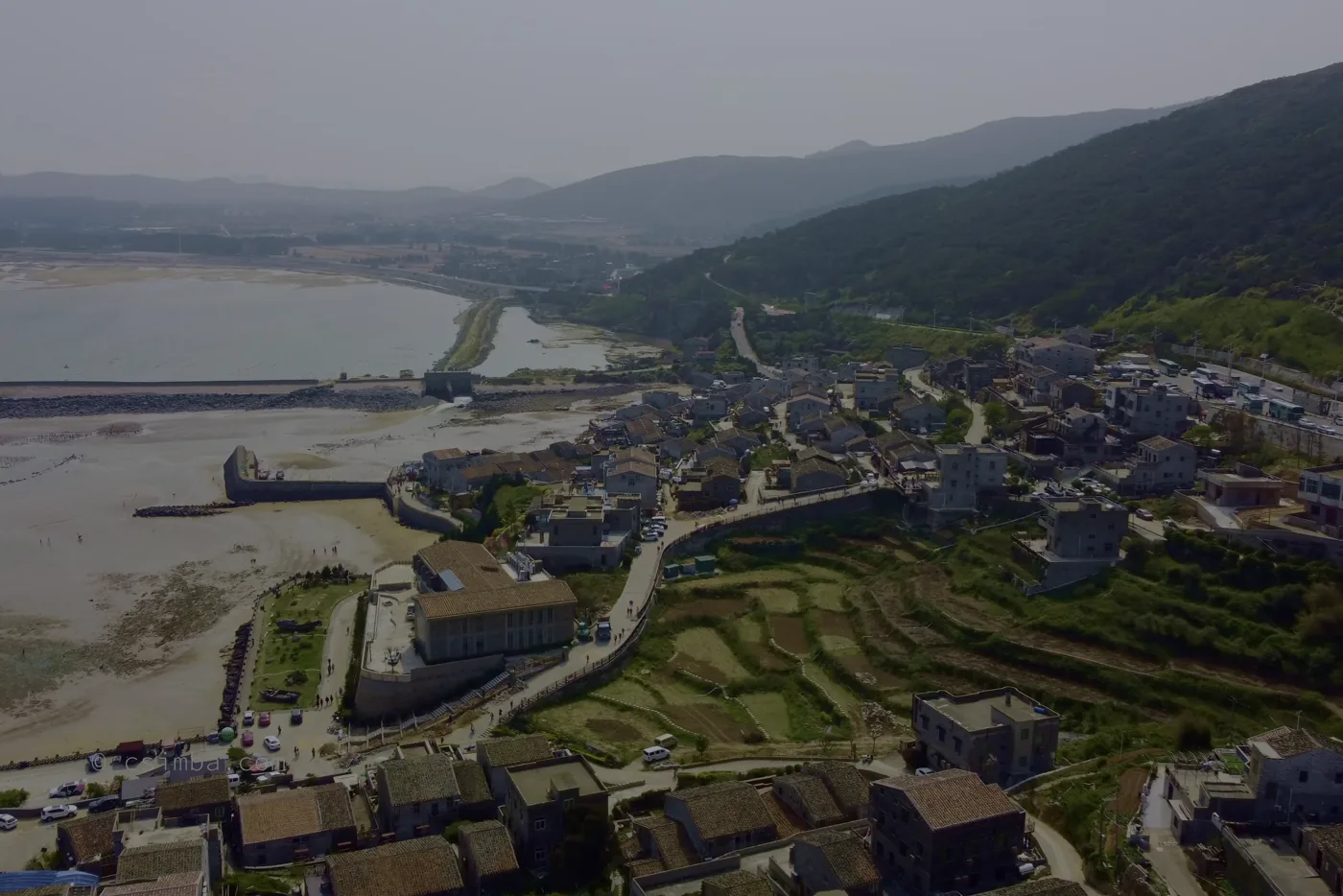
Maotouqian sits in the north of the island, a small fishing village on a gentle slope with stone houses stepping down toward the water; the front row has the sea at its doorstep. A reality show filmed here and brought a wave of visitors, but people still live in the village — nets drying, boats under repair, chickens in the lanes — and none of it has been moved aside for tourists. An hour to walk it, an afternoon if you sit down.

Explore Maotouqian Village